 Hiring top Linux and open source talent isn’t as easy as initiating a search with your favorite recruiter. Linux and open source developers and SysAdmins are among the most sought after talent in tech; companies like IBM, Twitter, Facebook and many more understand that to attract these folks, they have to do things differently. I’ve been working in open source since the late 90s and have seen first hand many of these changes.
Facebook recently open sourced hundreds of projects in its ongoing commitment to openness, and it was about even more than advancing and accelerating technology development. It was about communicating its open source development prowess to the legions of Linux and open source developers and SysAdmins around the world.
“Publishing useful and impressive code helps boost the company’s reputation in the developer community, making it easier to recruit and retain talented engineers—something that’s no doubt critical in Facebook’s ongoing battle with rivals like Google, Apple, and Microsoft to build the platforms that will engage web and mobile users for a generation.”
Learning how to contribute and participate in the Linux community is an important step in attracting talent. We see this as one of the primary drivers in companies becoming members of The Linux Foundation. Living and breathing collaborative development is essential. Once that process is underway, here are a few tips for hiring top Linux and open source talent:
– Become a member of the Foundation or project you are using. This may be The Linux Foundation, OpenStack Foundation, Cloud Foundry, or other organization. Part of our job as a Foundation is being a tour guide for companies into the communities.
– Support open source events. The right events. There are many events that gather lots of product marketing and business development executives. I have nothing against those events, but if you are trying to reach and influence open source developers or high end Sys Admins, you need to go to the right events. Community events like SCALE are a great option, as are Linux Foundation events like LinuxCon, ContainerCon, ApacheCon, MesosCon and so on. Our events are where the maintainers and developers go to collaborate and learn. Companies at those events have a great chance to influence and meet them.
– Use the right certifications in your job descriptions. Nothing puts off an open source technologist more than recruiter buzz words that have no meaning to them. Use credible and cutting edge Linux certifications like our Linux Foundation Certified Engineer and Linux Foundation Certified SysAdmins or Red Hat Certifications to show that you prize real world, real Linux experience. If they know it, they can show it, and you posting these certs in your job descriptions shows you know it as well.
– If you want to find the right talent, you may also consider having your employees or candidates take Linux certification exams that you arrange. You can purchase bulk exams from The Linux Foundation and identify the top talent quickly, without question. These exams are performance-based, multiple distribution-based and technically advanced.
– Make sure your developers are contributing to Linux projects. Probably the best way to get good developers in your org is to have other developers attract them. Open source means cross-company collaboration so your developers will be working with competitors. If you have a leader, or someone really technically good and friendly, you are more likely to find and attract the top talent. For companies wanting to up their participation we have resources like this book on how to participate in the Linux community.
– Treat your employeers well. Developers working with competitors also means companies should provide a good workplace since people can easily compare notes and recruit on a public mailing list. Developers want to solve hard problems and have people use their code. SysAdmins want to solve hard problems and have resources needed to get their job done. Everyone wants recognition and respect. Those companies who foster supportive environments (and also pay well) obviously have an advantage with this crowd.
Software is eating the world and open source is dominating software development. Finding the right talent is crucial to staying ahead. You can read more about Facebook’s open source strategy with this interview with Libby Clark ahead of their keynote at Linux Foundation Collaboration Summit.

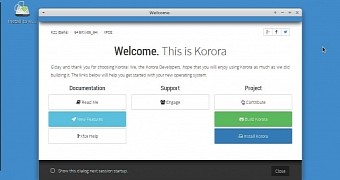 The Korora 21 screenshot tour series ends with the Xfce edition, which is built around the lightweight and fast Xfce 4.10.1 graphical desktop environment and targeted at users of low-end machines or computers with old/semi-old hardware components.
  A new graphics card has been released by ASUS, one that bears a brand name often associated with gaming-grade hardware.
 Samsung recently launched its first Tizen OS smartphone in India and although initial reports said that the Korean tech giant managed to sell 50,000 units in the first 10 days, concerns were raised over Tizen’s skimpy app ecosystem.
 Administrators of tens of thousands of MongoDB databases around the world failed to enforce any security mechanisms, allowing access outside the backend and exposing information of millions of customers to unauthorized parties.