 In 2012, the Top 10 Linux Gift Guide set the upper limit at $500, and last year it dropped to $400. This year, the cut-off dips to $350, reflecting the ongoing price reductions in consumer electronics, as well as my not entirely successful attempt to live up to Mr. Money Moustache’s guidelines for living on the cheap. (Click the Gallery link below to see a slide show and descriptions of the Top 10 Linux gifts.)
All 10 of these devices run Linux out of the box, were launched publicly in 2014, and are currently available to the general public, with a good chance of arriving at your doorstep by Dec. 24. Most are under $200, and several are under $100. The priciest is the $329 Toshiba Chromebook 2, which is by most accounts the best Chromebook yet.
We could not find a suitable, preconfigured notebook running other Linux distros for that price. We did, however, include Cloudsto’s Picuntu (Ubuntu) equipped Rikomagic MK902 LE media player mini-PC for only $109, and the popular Raspberry Pi based Kano Kit educational computer for kids, which sells for $150.
Like last year, in order to keep the list focused, there are no Android-only products here, and I’ve stayed away from single board computers. However, several intriguing community-based SBCs launched this year that could be just the thing for your more techie minded friends, and most, like the $35 Raspberry Pi Model B+, are well below $100.
 No repeats are allowed from last year, although most remain great gift ideas. The 2013 list included the Parrot AR.Drone, Bike+ BPU-100, Kindle Paperwhite 2013, Lego Mindstorms EV3, Leikr Watch, Ninja Block, D-Link Pan & Tilt Day/Night Network Camera, Geaksphone Peak+, Roku 2, and Utilite Standard. And of course, many older Linux-based devices, such as the $300 Sonos Play 3 speakers remain competitive.
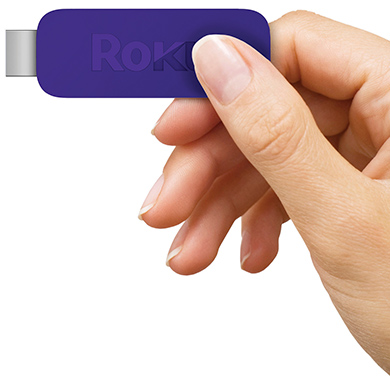
I’ve included two major follow-ons to existing product lines, starting with the second-generation, $50 Roku Streaming Stick, which no longer requires MHL-style HDMI ports. There’s also the $199 Kindle Voyage e-reader. Despite the high price, the Voyage has an exceptional display and overall design, and can be had for as little as $159 in Black Friday deals if you buy a year of Amazon Prime.
The home automation products on the 2014 list include the WeMo Maker Kit and associated WeMo smart lighting gizmos. Despite qualms about widespread use of surveillance equipment, as well as the rash of personal webcams being hacked into — I couldn’t resist the $200 Piper camera system, which also offers other automation features. The $329 Ninja Sphere is not yet shipping to the general public, but when it does, it would appear to be a worthy automation contender.
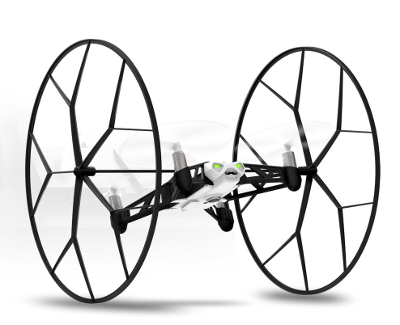
 One robot makes the list: Parrot’s toy-like, $100 Rolling Spider. It can fly, as well as roll around on floors and up walls. For a more serious UAV experience, you’ll need to spend several hundred dollars more. For example, Parrot just announced $499 and up pricing for its much anticipated, Linux-based BeBop UAV, which is due to ship in December.
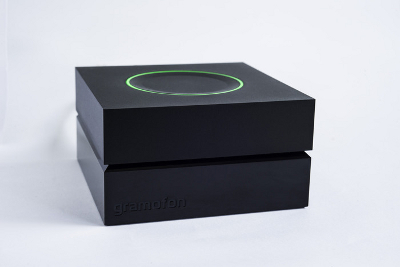
For music, check out the 49-euro ($61) Gramofon, which streams Spotify Internet radio, and streams music from multiple mobile devices to your existing sound system. Perhaps the geekiest device on the list is the $250 Linksys WRT1900AC WiFi router. True, that’s a lot for a router, but why not have a fully hackable, open source model that offers the latest 802.11ac technology, and can do just about anything you could ask from a router?
No smartphones or tablets made the list. Tizen and Ubuntu phones have still yet to appear, and while Firefox OS phones play an important role on the low end, there are no individual models that can wholeheartedly be recommended. The Sailfish OS-based Jolla phone is cool, but at 349 euros ($438), it’s way over the limit. Indiegogo-ers, however, may still be able to grab one of the new Jolla Tablets for just $209, with delivery in May.
