
Those wishing to work for one of the best open-source companies while focusing on improving open-source Linux graphics drivers, Red Hat has an opening…
Read more at Phoronix
[Problem Description]
Trigger condition:
The problem described in the pre-warning is triggered when the following four conditions are all met:
1.TPS is triggered or restored by the TPS protection group consisting of transmission boards in slot 12 and 13.
2. The NE type is OptiX OSN 1500B and its version is included in the “Versions Involved” part.
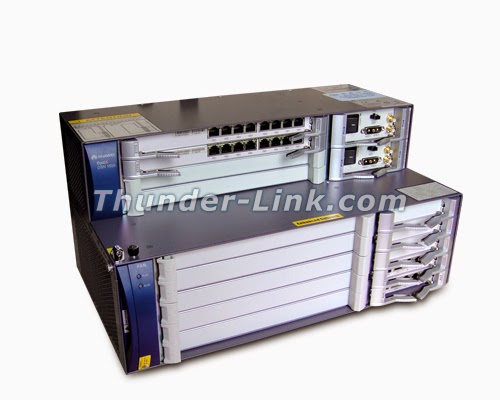
3. The NE is configured with a TPS protection group consisting of processing boards in slots 12 and 13.
4. The NE is configured with a service processing board that needs work with an interface board in slot 7 or 8, such as SSR1PD1 and SSR2PD1. In addition, services are configured on the board.
Symptoms:
The fault scenarios are as follows:
Scenario 1: Boards in slots 12 and 13 form a TPS protection group, and a board in slot 7 or 8 is not configured with TPS protection.
When TPS is triggered by the TPS protection group consisting of boards in slots 12 and 13, services on the board in slot 7 or 8 are interrupted and the T_ALOS alarm is reported. After the TPS is restored, the T_ALOS alarm is cleared and the services on the board are recovered.
Scenario 2: Boards in slots 12 and 13 form a TPS protection group, and a board in slot 7 or 8 is configured with the TPS protection group.
1. TPS is not triggered on the boards in slots 7 and 8:
When the TPS protection group consisting of boards in slots 12 and 13 triggers TPS, services on the boards in slot 7 and 8 are interrupted, and the boards in slots 7 and 8 report the T_ALOS alarm. When the TPS protection group consisting of boards in slots 12 and 13 is restored to the idle state, the T_ALOS alarm is cleared and the services on the boards in slots 7 and 8 are recovered.
2. If TPS is triggered on the board in slot 7 or 8:
When TPS protection group consisting of boards in slots 12 and 13 is restored to the idle state, services on the board in slot 7 or 8 are interrupted and the T_ALOS alarm is reported. When TPS on the board in slot 7 and 8 is restored, the services on the board are recovered and the T_ALOS alarm is cleared.
Identification methods:
The problem described in the pre-warning is triggered when the following three conditions are all met:
1. The NE type is OptiX OSN 1500B and its version is included in the “Versions Involved” part.
2. The NE is configured with TPS protection groups consisting of the service processing boards in slots 12 and 13. In addition, the NE is configured with a service processing board in slot 7 or 8 that needs to work with an interface board (such as SSR1PD1 and SSR2PD1).
3. Services on the boards in slots 7 and 8 are interrupted and the T_ALOS alarm is reported, which is triggered by TPS or TPS restoration in the TPS protection group consisting of boards in slots 12 and 13.
[Root Cause]
The software version has defects. Boards in slot 12 and 13 form a TPS protection group. When TPS is triggered or restored, relays on boards in slots 16 and 17 are switched no matter whether two interface boards are required to be configured on the service processing board in slot 13.
If two interface boards are required by the board in slot 13, the valid slots are slots 16 and 17.
If one interface board is required by the board in slot 13, the valid slot is slot 16.
When a service processing board with an interface board is required by the board in slot 7 or 8 (the interface board is in slot 15 or 17), services on the boards in slots 7 and 8 are affected due to TPS or TPS restoration in the TPS protection group consisting of the boards in slots 12 and 13.
[Impact and Risks]
TPS and TPS restoration will interrupt the services on boards in slots 7 and 8 which are configured with a TPS protection group consisting of boards in slots 12 and 13.
Measures and Solutions
Recovery measures:
It is recommended that you restore TPS for scenario 1 and trigger TPS to ensure that two TPS protection groups are in the idle state for scenario 2.
Workarounds:
Currently, there are two methods available for working around the problem.
1. Do not configure TPS protection groups for boards in slots 12 and 13.
2. Configure TPS protection groups for boards in slots 12 and 13 on an OptiX OSN 1500B subrack but do not configure service processing boards or configure service processing boards that do not work with interface boards in slots 7 and 8.
 The OpenStack cloud computing platform will usher in a lot of enterprise spending over the next few years, according to 451 Research’s recent Open Stack Pulse 2014 report. The report notes that much of the spending (roughly 70 per cent) will be centered on public cloud providers like Rackspace and HP, but quite a bit will come from private clouds being deployed.
In fact, a separate report from 451 Research notes that “internal private cloud is the preferred execution venue for many enterprise workload types currently, with control/management issues, data sensitivity/IP risk, security and compliance/governance being among the most frequently cited reasons.” Here are some of the issues involved in deciding on whether a public cloud service or a private cloud will serve an organization best.
 For a while there, working with Big Data–sorting and sifting large data sets with new tools in pursuit of surfacing meaningful angles on stored information–meant leveraging the open source Hadoop platform in on-premise fashion. Typically, enterprises deployed Hadoop in-house as a platform tool.
However, Hadoop-as-a-service, which basically refers to running Hadoop data crunches in the cloud, is a market projected to grow to $16.1 billion by 2020, according to a report from Allied Market Research. There are also many tools orbiting the Hadoop-as-a-service ecosystem that are worth taking note of.