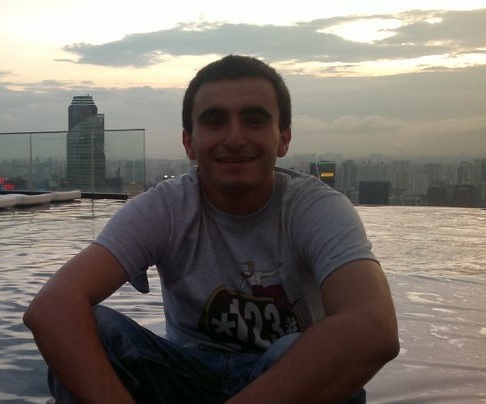
 The Linux-based Tizen mobile platform gained momentum earlier this year with Samsung’s announcement of the Galaxy Gear and Gear 2 smartwatches. The platform’s expansion beyond mobile phones into wearables won’t stop there, either, with developers now discussing applications for TVs, cars, and the Internet of Things (IoT).
Now is a great time for software developers of all stripes to start experimenting with Tizen says project contributor Leon Anavi. The upcoming Tizen Developer Conference, to be held June 2-4 in San Francisco, offers an ideal way to get up to speed, meet other developers and start hacking, he said.
Anavi will speak on Tuesday, June 3, about how to start experimenting with Tizen and other Linux distributions on budget Allwinner processor-based development boards. Here he discusses how he’s involved with Tizen, why he’s attending the Tizen Developer Conference, and what he’s looking forward to at this year’s conference.
Linux.com: What is your involvement in Tizen?
Leon Anavi: I have been interested in Tizen since the announcement of the project. In my free time I write articles and tutorials at the Tizen wiki and several months ago I started an initiative for porting Tizen to Sunxi devices. I am also involved in the development of the community-driven port of Qt for Tizen.
I am doing my best to spread the word about Tizen. In the past year I had the honor to speak about it at several conferences: Openmobility, OpenFest as well as the biggest event dedicated to free and open-source software in Europe – FOSDEM. I keep in touch with Ash Nazir and I often publish posts on his website, Tizen Experts, which by the way has the largest Internet database with news related to the platform.
Why are you coming to the conference?
Tizen Developer Conference is the best place to learn details regarding the roadmap of the project, to see innovative Tizen devices and to meet industry-leading experts. It is an excellent opportunity to get together with all active community members and to make new professional contacts.
What are you looking forward to the most?
I have already selected several sessions that I want to visit. I am looking forward to the talks of my friends Tomasz Olszak about Qt for Tizen and Philippe “RzR” Coval about packaging tips and tricks. Tizen open governance is another very important topic on my list. I am also interested in the sessions dedicated to Tizen IVI architecture and the porting of Tizen IVI 3.0 to ARM SoC platform.
How do you think this year will be different from previous conferences?
The Tizen project has made enormous progress recently. The release of Samsung devices powered by Tizen creates a momentum for the platform and the whole community. I expect that this year the focus of the conference will be on wearable devices and IoT (Internet of Things).
What can we expect from your talk?
My talk will provide an overview of the available budget development boards with Allwinner processors and instructions on how to boot Tizen or any other Linux distribution on them. No previous experience is required and the session will be appropriate for beginners. I hope that my talk will inspire and encourage people to start experimenting with open source, Linux-based platforms such as Tizen and open source hardware devices such as the OLinuXino boards.
I am looking forward to meeting you during my talk which starts at 11:00 a.m. on Tuesday, June 3. It is part of the track for “Tutorials & Community” and it will take place in Continental 1-3.
What advice to you have for a first-time attendee?
Tizen Developer Conference offers a lot of exciting talks. In my opinion attendees should explore the agenda and carefully select the sessions that they want to visit before the start of the conference. Based on my experience from TDC 2013 I highly recommend the DevLab on Wednesday to all first-time attendees.
If you still have notregistered for TDC 2014 please do not hesitate and book your seat right now because it is going to be an event to remember!

 Google has just released