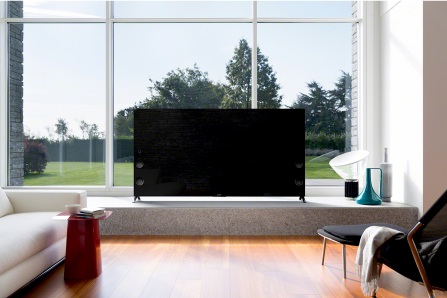
The choice of Android TV devices has finally expanded beyond Google’s Nexus Player. Last week, Sony, which years ago launched the first Google TV set-top, began shipping the first Android TV based TVs, and this week it will be joined by Razer’s Forge TV gaming player. Later this month, Nvidia will ship its third-generation Nvidia Shield, which similarly runs Google’s new media player and gaming platform.
In today’s more enlightened tech world, failure is not exactly acceptable, but it is at least considered natural. Fail twice in the same product category, however, and few will give much credence to future attempts. The pressure is on for Google to see some early wins for Android TV that can erase memories of its failed Google TV integrated TV/web platform.
The Android 5.0-based Android TV has an improved interface, better voice integration with built-in Google Voice Search, and increased support for gaming. It’s much more integrated with the main Android SDK than Google TV, and licensees have more freedom to innovate on hardware. Android TV can be controlled with an Android device or Android Wear smartwatch, and offers Google Cast integration and more personalized suggestions.
Android TV first appeared last fall in Google’s Asus-built Nexus Player, which incorporates a quad-core, 1.8GHz, 64-bit Intel Atom processor. The device has received some tough reviews, primarily due to the lack of available apps, as well as the absence of an Ethernet port.
The Nexus Player, which is now available for as low as $78 without the gaming controller, now has some company. In late March, French IPTV provider Free unveiled an Android TV-based Freebox Mini 4K set-top box running on a new Broadcom BCM7252 processor. The device has suffered from numerous bugs, which are claimed to be corrected with the latest software update, according to this May 5 ZDNet France [translated] report.
Razer and Nvidia push Android TV gaming
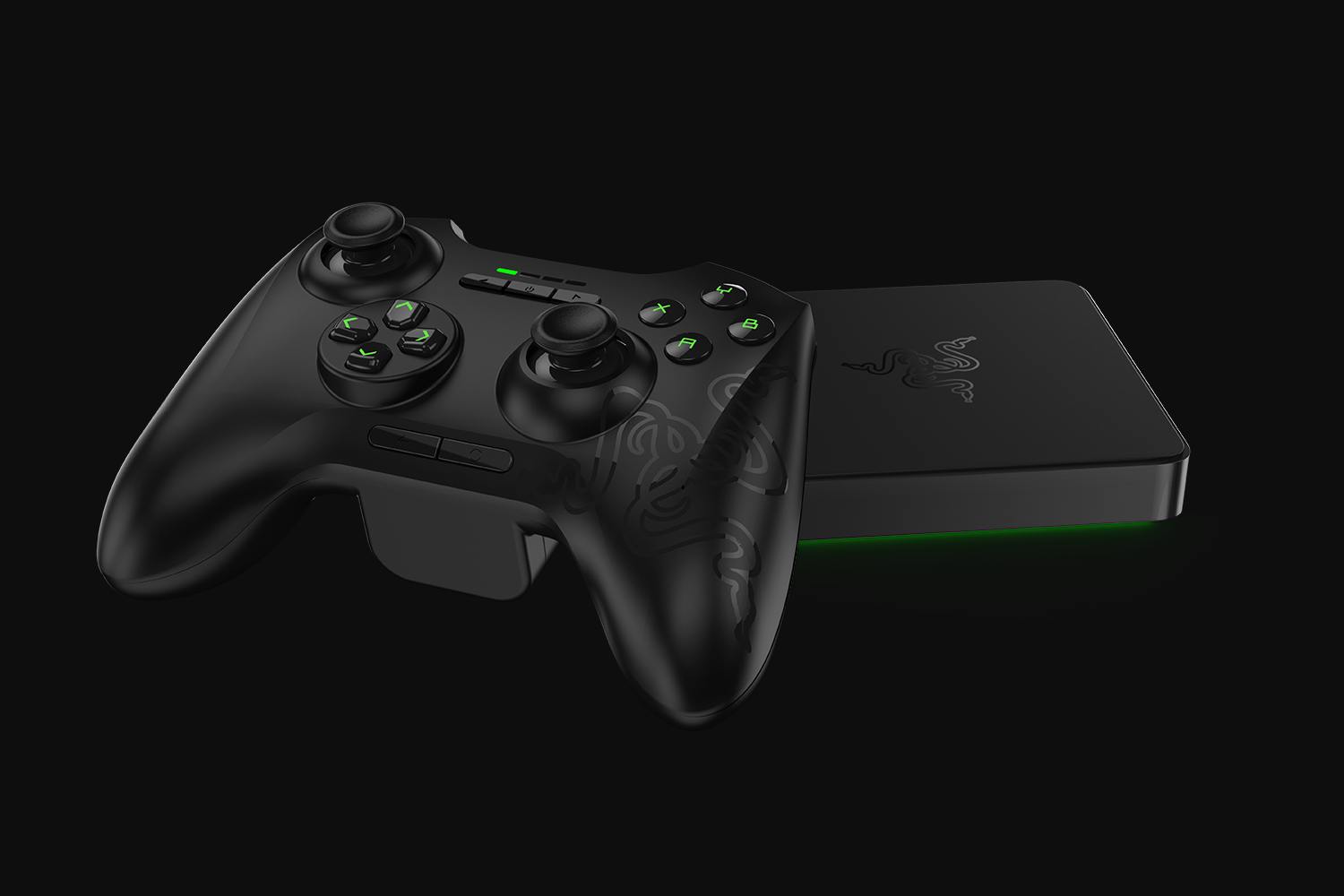 Last week, Razer opened pre-orders on its Forge TV, a gaming-oriented media player that runs Android TV on a quad-core Qualcomm Snapdragon 805. Available this week for $100, or $150 with the game controller, the device will soon be joined by an optional Bluetooth keyboard with a built-in gamepad. Later this year, users will also be able to subscribe to Razer’s “Cortex: Stream” service, which is said to enable low-latency streaming of PC games via WiFi or Ethernet and at up to 1080p.
Later this month, Razer will go head to head with Nvidia’s latest Nvidia Shield. This new STB version of the Shield runs Android TV on Nvidia’s powerful Tegra X1 octa-core SoC, which features a 256-core Maxwell GPU. Selling for $199, including controller, the device will be available with Nvidia’s own Grid streaming service. Like the Forge TV, it will also support Chromecast-like casting of mobile Android content to the big screen.
Sony’s Android TVs face off against WebOS, Tizen, and Firefox OS TVs
While most of the standalone STB Android TV models will focus on gaming, the TVs will emphasize media player features. Last week, Sony shipped the first Android TVs, with its X830C, X850C, X930C, and X940C sets. And Philips (TP Vision) is also planning on releasing a wide range of Android TV sets.
The most affordable Sony model is the X830C, which is available in a 43-inch model for $1,300, or a 49-inch version costing $1,600. The other models range from 55 to 75 inches, and cost $2,200 and up, topping out with an $8,000, 75-inch X940C. This summer, Sony will launch a high-end X910 series, as well as an X900C set that is touted for its thin, 4.5mm profile.
One reason for the high prices is that except for the X830C models, all the Sony TVs use quantum dot (QD) nanocrystals to enable a much wider color range. QD technology, which has appeared in a few TV models over the last two years, will this year become widely available in 4K TVs.
Judging from most reports, the latest QD color enhancements are significant. Google can only hope the same will be said of Android TV. Early reviews of the UI itself have been favorable, but the proof will be in the performance — and the availability of apps. There are currently 35 Android TV apps available on Google Play, including Hulu Plus and Netflix, as well as several hundred compatible Chromecast-ready apps. However, the list pales in comparison with what is available on Apple TV or the Linux-based Roku, which has an industry leading 2,000 apps. (A March 9 CNET story compares app availability for Android TV, Roku, Apple TV, Amazon Fire TV, and Google’s $35 Chromecast.)
Google is facing greater competition in the media player space than it did with Google TV, which is one reason it’s focusing more intently on games in order for differentiation. In addition to the competitors listed above, there are a host of smart TVs that offer somewhat similar features, although nothing that can compare with Android TV on voice search or casting. Most of the new smart TVs run Linux, such as LG’s WebOS based TVs and Samsung’s 2015 Tizen-based smart TVs.
Mozilla is pushing Firefox OS into TV land with the Chromecast-like Matchstick dongle. Later this year, Panasonic will ship Firefox OS in a wide range of TVs.
Roku is also baking its media player engine into TVs from TCL, Hisense, Insignia, and Haier. This week, Sharp, which is prepping an Android TV, became the biggest Roku licensee. Sharp says it will release two Roku-based HD TVs: a $380 42-inch model and a $500 set with a 50-inch span.
Google faces additional competition from third-party media players and TVs that run Android. To make matters more confusing, many of these devices are marketed as Android TVs, despite the fact they don’t run Android TV.
There are already scores of Android-ready media players available, some of which also run other Linux distros. Now, we’re seeing TVs with Android built in, such as the Android 4.4-based Mitashi MiDE050v01, a 50-inch model aimed at the Indian market. One early, Android game box competitor — Ouya — is frantically searching for a buy-out in a last ditch effort at survival.
Finally, there’s Apple to overcome with its $60-and-up Apple TV. Over the years, Android has thrived as the more affordable alternative to iPhones and iPads. Yet, like Google TV, the feature-rich Android TV is appearing in premium 4K TVs and pricier gaming boxes. This time Google should have more success on the high end, but thanks to its fumbled rollout of Google TV, it has lost its opportunity for domination.

 We reported the other day that the Ubuntu Touch developers had a great session during the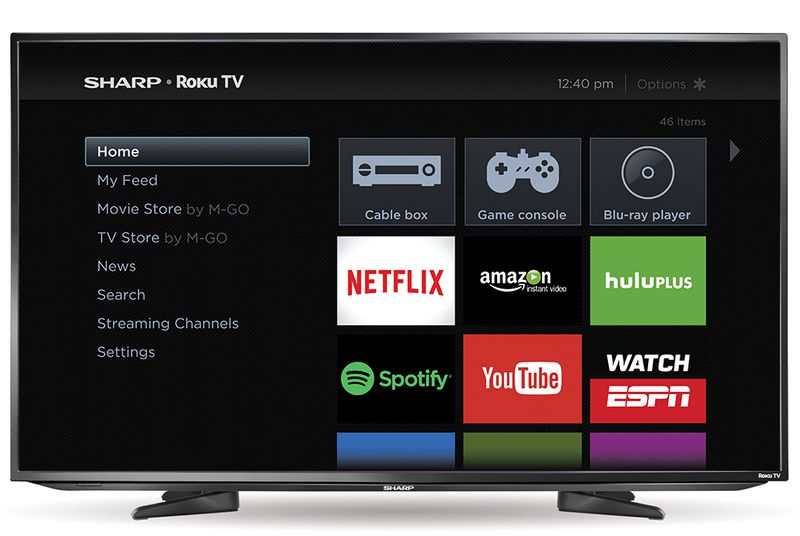
 A new official Xubuntu flavor called “core” has been announced by developers. It’s based on Ubuntu, and it integrates the Xfce desktop environment and nothing else.
 After a long wait and plenty of speculation, Oculus has just reveled the highly anticipated consumer version of its Rift virtual reality headset, alongside a firm release period of the first quarter of 2016.