Home Blog Page 1139

Linux in the Air: Drone Systems Go Open-Source

 Not only is spring in the air, so is Linux. But this wasn’t always the case. Early drones relied on either proprietary OSes or simple Arduino-based controllers such as the ArduPilot. While both of these approaches to drone control have been successful, they implicitly limit innovation — the former because they are closed systems, and the latter because of limited computing power. The recent introduction of Linux-based drones will stimulate the UAV (Unpiloted Aerial Vehicle) market by creating more flexible, open platforms. Here’s how Linux takes off … literally.

Read more at Network World.

MySQL Vulnerabilities Closed in Ubuntu 14.10 and Ubuntu 14.04 LTS

Canonical published details about MySQL vulnerabilities for its Ubuntu 14.10, Ubuntu 14.04 LTS, and Ubuntu 12.04 LTS that have been found and corrected.

According to Canonical, a number of security issues have been discovered with MySQL, and this update includes new upstream MySQL versions. The Ubuntu maintainers have been quick to push the new packages into the repositories.

“Multiple security issues were discovered in MySQL and this update includes a new upstream MySQL… (read more)

Read more at Softpedia News

Gratuitous Space Battles 2 Arrives on Steam for Linux

Gratuitous Space Battles 2, a strategy game that lets users build their own fleets and engage in massive space battles, has been released and is now available on Steam for Linux.
Gratuitous Space Battles is not your regular RTS game, and it’s probably the only one of its type. It’s much more like a tower defense game, and its makers have had a lot of time to perfect the recipe, although the community is not exactly thrilled on how the second title has turned out. The good n… (read more)

Read more at Softpedia News

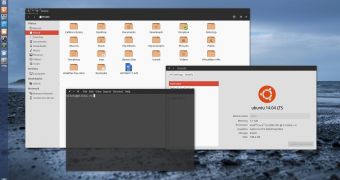
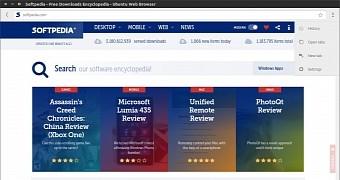
Canonical to Ship Ubuntu 15.04 with Firefox and Its Own Internet Browser

Ubuntu 15.04 is shipping with a few interesting features and improvements, but it’s also arriving with two Internet browsers installed and one of those browsers is developed by Canonical.
Canonical recognized the need of having its Internet browser for the Ubuntu Touch platform early on, and they have been working on it for quite some time. It’s been available on the desktop platform, but not as a default option. It’s basically the same code as the one that’s running on the… (read more)

Read more at Softpedia News

30 Percent of New Server Equipment Goes to Cloud Infrastructure

A new study by IDC charts big changes in the big hardware market.

Read more at Linux Magazine

Mesosphere Now Includes Kubernetes for Managing Clustered Containers

The most demonstrably effective and efficient data center scheduling and apportionment platform to date will not only support, but will actually include, Google’s system for managing clustered Linux containers. This as a result of Mesosphere, the commercial backer of the Apache Mesos project, acting on its agreement with Google reached last August.

Now, the latest preview of Mesosphere’s Data Center Operating System (DCOS) — available to early access registrants — gives developers the means for creating Mesosphere pods around applications, and then launching those applications in a large-scale pooled compute and storage environment.

Where DCOS is Going

The New Stack’s Alex Williams profiled DCOS last December, after Mesosphere raised some $36 million in venture funding. Even since that time, the marketing message of DCOS has matured, and its rougher edges have been smoothed over.

IF

Benjamin Hindman

Read more at The New Stack

GCC 5.1 Officially Released

Those behind the GNU Compiler Collection have announced this morning the official release of GCC 5.1, the first major release of GCC 5…

Read more at Phoronix

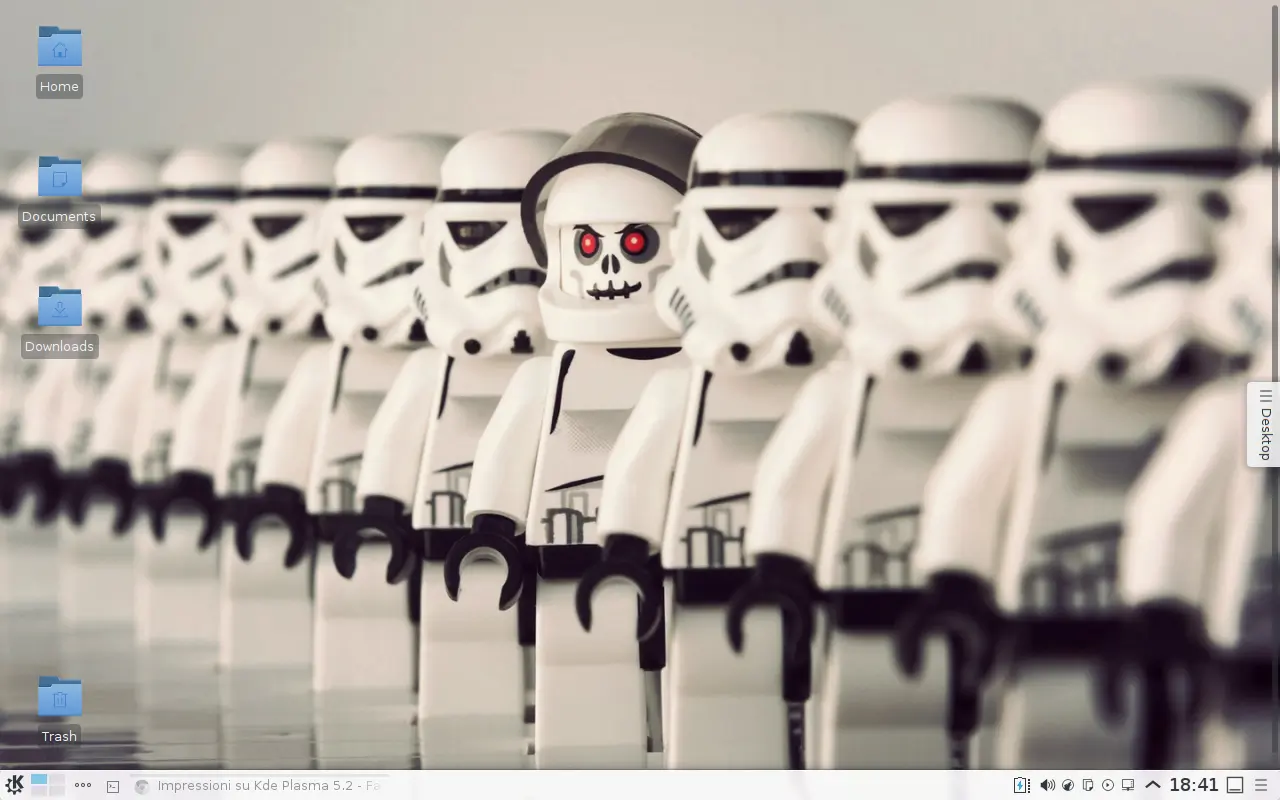
KDE Plasma 5 on Arch Linux review

Plasma 5 on Arch Linux

A few weeks ago, during a little break from studies, I’ve finally found some time for installingPlasma 5 on my Arch Linux workstation. Before a not too deep period of usage I’d like to share with you my impressions on the current state of Plasma.

As the title says, I’m going to talk about the 5.2 version of Plasma so everything on this post will concern this version in particular.

If you’re a Linux user at least from 2007 and, above all, you were using Kde at time, you will surely remember (Read more…)

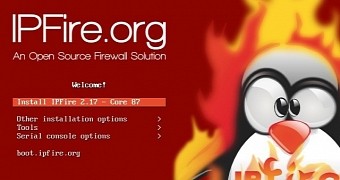
IPFire 2.17 Core 89 Linux Firewall Distribution Brings Numerous Improvements

On April 21, Michael Tremer announced that a new maintenance release for the IPFire Linux distribution that can be used by beginning and experienced system administrators alike to deploy a firewall, proxy server, or VPN gateway on their infrastructure without to much hassle, is available for download.

IPFire 2.17 Core 89 includes a significant amount … (read more)

Read more at Softpedia News

30 Things to Do After Minimal RHEL/CentOS 7 Installation

                                         30 Things to Do After Minimal RHEL/CentOS 7 Installation


CentOS is a Industry Standard Linux Distribution which is a derivative of RedHat Enterprise Linux. You may start using the OS as soon as you install it, but to make the most out of your system you need to perform a few updates, install a few packages, configure certain services and application.

This article aims at “30 Things to Do After Installing RHEL/CentOS 7â€. The post is written keeping in mind you have installed RHEL/CentOS Minimal Install which is preferred in Enterprise and production environment, if not you can follow below guide that will show you minimal installations of both.

  1. Installation of CentOS 7 Minimal
  2. Installation of RHEL 7 Minimal

The following are the list of important things, which we’ve covered in this guide based on industry standard requirements. We hoping that, these things will be very helpful in setting up your server.

1. Register and Enable Red Hat Subscription

After minimal RHEL 7 installation, it’s time to register and enable your system to Red Hat Subscription repositories and perform a full system update. This is valid only if you have a valid RedHat Subscription. You need to register your in order to enable official RedHat System repositories and update the OS from time-to-time.

We have already covered a detailed instructions on how to register and active RedHat subscription at the below guide.

  1. Register and Enable Red Hat Subscription Repositories in RHEL 7

Note: This step is only for RedHat Enterprise Linux having a valid subscription. If you are running a CentOS server immediately move to further steps.

2. Configure Network with Static IP Address

The first thing you need to do is to configure Static IP address, Route and DNS to your CentOS Server. We will be using ip command the replacement of ifconfig command. However, ifconfig command is still available for most of the Linux distributions and can be installed from default repository.


http://www.tecmint.com/things-to-do-after-minimal-rhel-centos-7-installation/