Modular application development, in which a set of loosely coupled modules can be integrated into one large application, has been one of the most successful software development practices. The term “loosely coupled” highlights the fact that the modules are both independent and can communicate with one another. OSGI (the Open Services Gateway Initiative), a dynamic module system for Java, defines one such architecture for modular application development. The SDN controller OpenDaylight (ODL), which we will be discussing in this article, is one such controller (apart from Beacon/Floodlight) that is based on the OSGi architecture. ODL is an open-source collaborative project that focuses on building a multi-vendor, multi-project ecosystem to encourage innovation and an open/transparent approach toward SDN. We need to look at these terms, “open,” “multi-vendor,” “multi-project,” “innovation,” etc., in detail to really appreciate the strengths of ODL.
ODL is managed by the Linux Foundation and boasts broad industry support, with memberships covering over 40 companies, such as Cisco, IBM, NEC, etc. Projects focus on adding specific features to the controller. ODL is often touted as an open-source framework designed to “shape the future of SDN” – mainly because it provides an open platform for developers to contribute, use, and, in fact, even build commercial products. As put nicely by David Meyer of Brocade:
OpenDaylight can do for networking what Linux has done for the computing industry.

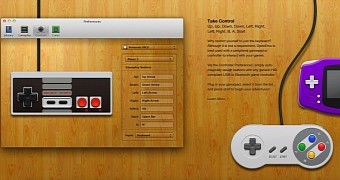 It’s all next-gen these days. Next-gen graphics and controllers, next-gen screens, next-gen distribution platforms… DLC?! The days of hardcore gaming are, unfortunately, behind us.
 The Linux Foundation has issued its second annual “
 Windows fans are worried that the desktop PC will follow too closely the design of Windows 10 for phones and tablets, and they are right to do so. This all plays out due to Microsoft’s plans for convergence, but it’s a twisted approach that only makes things more complicated than they should be.
 Microsoft is engaged in a silent war and it’s actually losing. They are fighting an enemy that is so insidious and so cunning that it’s actually hurting the company more than anything else. The enemy is called Chromebooks and they are using Linux.
 The Internet of Things promises to immerse us in a world of intelligent everyday objects, from tweeting table lamps to weight-watching kettles. Now Ubuntu is aiming to be the beating heart at the centre of the connected world. Canonical has today announced that Snappy Ubuntu Core —the smallest version of Ubuntu ever— will be available for smart devices. The company say the […]