
In the past year, we’ve witnessed open source cloud technologies advance in maturity and take off in whole new, unexpected directions. Just consider the many OpenStack distributions, open source networking and container-related projects that didn’t even exist a year ago.
At the same time, enterprise use of open cloud projects has moved from the early planning and development stages to become an undeniable staple in IT infrastructure. And this year enterprises expect to begin a wholesale migration to the cloud as they take another step toward delivering web-scale IT.
 Just over half (51 percent) of large enterprises are running production systems in the cloud, and 39 percent are planning to increase their cloud computing activities in the next 12 months, according to our 2014 Enterprise End User Trends Report. Eighty-seven percent say that an open system is important to their cloud strategy.
For those moving toward a cloud migration, or who simply want to keep up with the latest technology trends, our newly revised Guide to the Open Cloud is a helpful primer in choosing the technologies to build and deploy their own open clouds.
This year’s report includes new technology categories that have gained importance in the past year, including software-defined networking (SDN), network functions virtualization (NFV), and cloud operating systems. We’ve also added several new projects such as Apache Mesos, Apache Stratos, CoreOS and Kubernetes, to accompany the more well-known projects like Cloud Foundry, OpenStack, Docker and Xen Project.
These are the same innovative projects that attend and present at Linux Foundation conferences such as CloudOpen, ApacheCon, and MesosCon, as well as our new storage and container conferences, Vault and ContainerCon. By keeping in close contact with our members in the tech industry and organizing these best-in-class conferences we keep track of the many projects, technologies and companies that are driving the cloud.
This paper is a curated list of profiles that aims to distill this knowledge into a useful guide, available for free to anyone who is interested. It is, by no means, a complete list of all available open source technologies, or necessarily the best ones for you. If a project you use or contribute to isn’t on the list and you feel that it should be, please let us know. We aim to create a useful resource for those using and building the open cloud.
The open source cloud is evolving quickly and fueling dramatic innovation and growth across industries. Organizations that pay attention to these significant projects, use them, interact with them online and at our conferences, and contribute back upstream, will help accelerate technological innovation and benefit in the process. Through collaboration, the open source community can build an enterprise alternative to large proprietary public clouds that are portable, interoperable, and open at every level of the stack.
To download the full report, please visit The Linux Foundation’s Publication’s website.
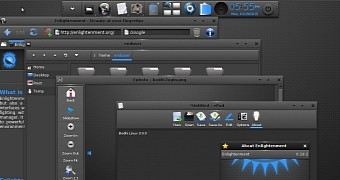 Bodhi is a minimalistic Linux operating system based on Ubuntu and that features low system requirements. The developers have just released a new Reloaded edition for the distro, but they decided to keep the RC tag, at least for now.
 HandyLinux, a Linux distribution based on Debian and Xfce that comes with a special kind of launcher and desktop interface, has been upgraded to version 1.8.0. The developers have made a large number of improvements and that is quite obvious from the big changelog, although many of them are not very complex.
 MakuluLinux 6 Cinnamon, a Linux distribution based on the Debian testing branch, Jessie, that provides stability, speed, and a modern desktop, has been upgraded to version 2.0 and is now ready for download.
 Valve has upgraded the Steam client and they fixed that terrible bug that would allow the application to actually delete every file that was owned by the user.
 Manjaro Linux has received a new update pack and the developers have upgraded many of the core components and applications. This particular update was made available for testing more than a week ago and now it’s ready in its stable form.