
CentOS has long been considered a server operating system, but it is a very capable and stable platform for the desktop as well with long term support.
Read more at Enterprise Open Source Toolkit
Google this week announced it would acquire Nest Labs, which makes the wildly popular Linux-based, Wi-fi enabled and programmable Nest thermostat and smoke and carbon monoxide detectors. A $3.2 billion deal, this acquisition demonstrates how hot the connected home market is becoming and how big the promise is of the Internet of Things. It also demonstrates the value of Linux and how open source impacts the biggest business decisions being made today.
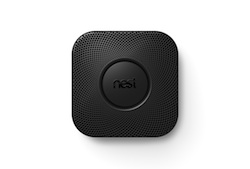 By using Linux as the foundation for its products, the Nest Labs founders were able to innovate faster, build better and deliver better value for its customers. Google, among other big technology companies, know the value of Linux and open source development and are taking notice of the work entrepreneurs are doing with Linux. The maker community is thriving, the open source community is thriving and businesses are seeing real value from those efforts while entrepreneuers build reputations, new businesses, and cash in.
When the Linux-based Raspberry Pi was originally introduced it sold out in minutes and by the end of that day the makers of Raspberry Pi were famous. They took Linux and built a $35 computer that has spawned hundreds of new projects and products (here’s just a handful of them) and from which companies are able to derive real business value.
I saw many more examples of this at the Consumer Electronics Show last week where new and veteran companies alike were showing off Linux-based drones, 3D printers, robots and more. Linux allows developers and makers to stand on the shoulders of giants and truly innovate. The results are better technologies faster and a contribution to a lot of companies’ bottom lines.
Years ago we published a paper that calculated the value of Linux. We used a proven methodology to understand the estimated R&D value of a Linux enterprise distribution. Today the value of Linux can’t be determined by assessing one Linux distribution. The value of Linux is everywhere and goes far beyond one distribution or one device. It ranks in the billions of dollars and is more and more often a key strategic component of any business. Google gets this. Nest Labs gets this. And, the community and industry benefit.

I’m a 15 year old programmer. I started at nine and by now have written a lot of code. To me, programming is creating, and I’ve created many projects—from a pure Java 3D projection engine to a web spider. Today, I’m sharing my story with you for Opensource.com’s Youth in Open Source Week.