Everyone has a cell phone these days. Out here in my little corner of the world, in a county that competes with the neighboring county for the poorest in the state, everyone can somehow afford smartphones with generous data plans. I have no idea what people’s eye colors are anymore, or if they even have eyes, because all I see are the tops of their heads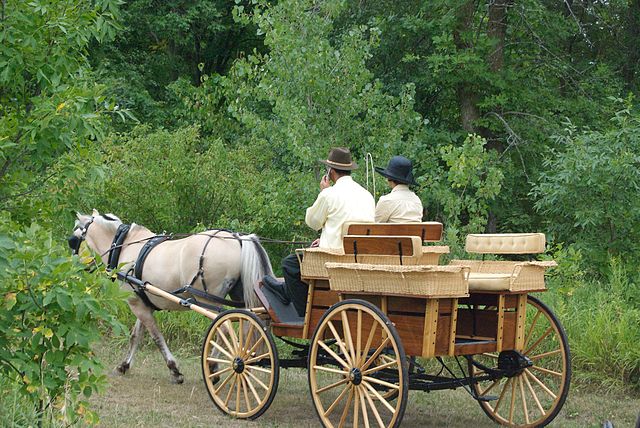 as they are bent over their tiny screens. This stuff is not cheap– I don’t know anyone whose monthly bite is under a hundred dollars. Which is why I have a cheapo TracFone, because I refuse to pay that much. Plus I like hoarding minutes, so I turn it off. I don’t have to be in constant contact with my eleventeen bestest friends at all times.
Michelle, Ma Bell
American telecoms are special beasts. Back in the olden days we had a single giant regulated monopoly, AT&T. Technological progress was non-existent, and stuck at a level barely above Alexander Graham Bell’s original prototype. We could not own our telephones, but had to lease them from the phone company, which made those old phones some of the most valuable hardware in existence because we kept paying for them year after year after year. We could not add extensions, or attach any other equipment. The one upside was rock-solid service, which set American telephone service apart from most other countries, where unreliability was the norm.
 Western Electric candlestick phone.
Then Ma Bell was broken up and we got competition, sort of. We never got a choice of carriers for local service, but long distance became competitive. Though again only sort-of, because in-state calls cost more than cross-country calls, and other oddities. Now with mobile phones everywhere a lot of people don’t even bother with land lines, and they’e all happy at getting free long distance, even though it’s not really free and they’re paying a lot more. But even though mobile service costs more, it includes more, like worse call quality and no-service areas. I estimate that 40% of all cell traffic is “What? Are you there? Hello? What?”
When We Dialed Telephones
Where was I going with all this? Oh yeah, ubiquity. My grandmother had a single black dial telephone, and it sat on a special table next to a chair in her entry hall. A phone call was a bit of an event– she couldn’t Web surf while half-listening, or watch TV, or go shopping, or put people on hold and juggle multiple calls. She had conversations, one at a time. She couldn’t just pick up and call someone when she felt like it because she was on a party line. That is a shared phone line, which meant everyone who shared the line could eavesdrop on your calls. When I grew up the other giant time- and attention-pit-of-suck, television, was not yet everywhere, and a lot of our friends did not have TVs. So when we got together we talked to each other. With eye contact and everything.
Now we’re all proud that Android dominates mobile phones, rah rah Linux. Little kids have their own phones, and again I marvel at how much people are willing to pay for their mobile fix. Sure, for some it’s a necessity, but in my somewhat humble opinion most of the time it’s more akin to an addiction. It’s like the rats that push the button that stimulates the pleasure centers of their brains, and then starve to death because they won’t push the food button. Humans just plain love to push buttons, and are willing to pay top dollar for the privilege– vending machines, video poker, serial channel-surfing on the TV, mobile phones; give them buttons to push and they’re happy for hours.
Woa, you might be thinking, get off the grumpy train, because mobile phones are useful tools! And you are right. But I’m still going to be grumpy at people who won’t turn them off when we’re visiting or doing an activity together. You 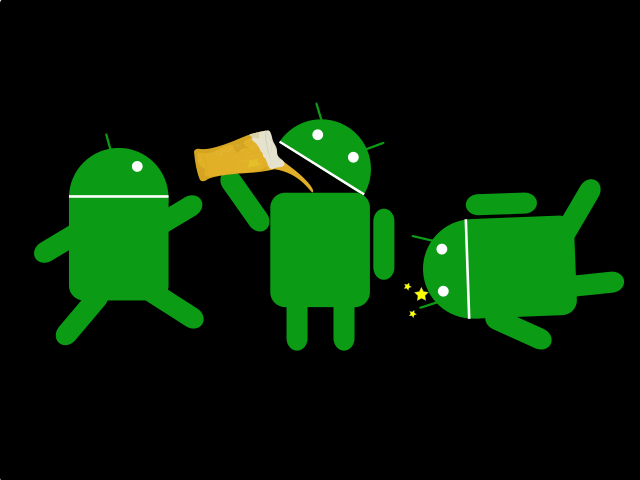 know those people who have to answer the phone no matter what they’re doing? Showering, sleeping, birthing babies? They’re a thousand times worse with mobile phones. In the olden days it was considered rude to leave the TV on when people came to visit. Unless they came to watch a program, of course. Remember when call waiting was all new and special? And an insult, like whoever you were talking to was hoping someone better than you would interrupt your call. Now the phone is the TV, along with a million other interruptions, distractions, delights, and portability. We can’t escape the things.
Thinking. No Really.
One of the things I love about computer nerds is most of them understand the need for long stretches of uninterrupted time to think, and to concentrate deeply on a task. It is impossible to master a new skill or solve a problem when you’re skittering randomly from one activity to the next, never engaging more than the bare surface of your consciousness. It’s unsatisfying, because you never accomplish anything. Multi-tasking is a myth. It is the very rare human who can perform two or more tasks at once. A “multi-tasker” is someone who juggles  PET image of a live brainmultiple chores and does a poor job at all of them. I prefer total immersion: full attention and no distractions.
Magic happens in your brain when you achieve that state of total focus. It’s almost a meditative state. Obstacles fall away and your path become wide and clear. It’s as though you’re forging new neural pathways and amping up your brainpower. Single-tasking has superpowers.
When Television Ate My Best Friend
The more things change, the more they stay the same, so please enjoy Linda Ellerbee’s classic When Television Ate My Best Friend:
“At last I knew what had happened to Lucy. The television ate her. It must have been a terrible thing to see. Now my parents were thinking of getting one. I was scared. They didn’t understand what television could do.”
Beginning Android Programming
Pushing buttons is fun, and building the buttons is a million times more fun. Try Juliet Kemp’s excellent introduction to Android programming:
Android Programming for Beginners: Part 1
Android Programming for Beginners: Part 2
Image Credits
All images courtesy Wikimedia Commons
Horse, Carriage, Cell Phone, Creative CommonsAttribution-Share Alike 2.0 Generic
Candlestick Phone, public domain
Drunken Androids, Creative Commons Attribution 3.0 Unported
PET-image, public domain

 There is no question that the Android mobile operating system now stands as a true open source success story. When Android began ramping up in 2008, few thought that it would rise to the top of the mobile operating system heap. And the Android SDK (Software Development Kit) has been at the heart of that rise, helping developers build a healthy ecosystem of apps and technologies to drive Android forward.
 The Qt Project
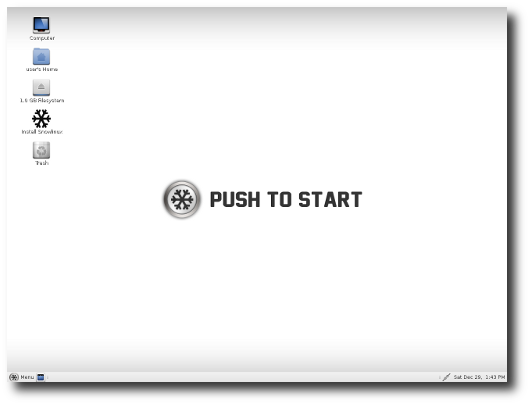 Lars Torben Kremer has announced the release of Snowlinux 4, a Debian-based distribution with MATE (a desktop environment forked from GNOME 2): “The team is proud to announce the release of Snowlinux 4 ‘Glacier’. Snowlinux 4 is based upon Debian GNU/Linux 7.0 ‘Wheezy’ and uses Linux kernel 3.5…..Read more at
 Google
 The
The 


