
Xi Graphics, the company that once developed proprietary X Servers and graphics drivers for Linux and UNIX platforms, has faded away…
Read more at Phoronix
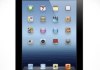
After Amazon launched its $199 Kindle Fire tablet last autumn, a lot of observers thought it could prove to be the competition to Apple’s iPad that other Android tablets had so far failed to deliver. Some numbers out from IDC today, however, show that as Amazon continues to sell the device in the U.S. alone, that has failed to become the case, as Apple continues to increase its worldwide market share against competitors.
Quarterly tablet shipments worldwide (defined by IDC as devices sent through to distribution channels like operators, retailers or end users) totalled 25 million, with Apple, on the back of the new iPad launch in March, blowing everyone out of the water with record-breaking shipments of 17 million+ iPad tablets, working out to a 68% market share (up by nearly 7 percentage points on last year). Ironically, as competition continues to increase, IDC thinks that might only strengthen Apple’s position, with “baffled” consumers faced with “too many options” opting instead for the market leader.
After a a IDC “sluggish” Q1, IDC said that Amazon rebounded this quarter with estimated shipments of 1.3 million units, enough to give it a number-three ranking after Samsung’s 2.4 million sales worldwide, and putting it ahead of other companies that also sell globally, Asus and Acer — signs that seem to indicate that if Amazon had rolled out the tablet more widely, it might have made significant headway.
(As a point of comparison, Strategy Analytics, which ranks by platform not vendor, gave Apple essentially the same marketshare last week).
Overall tablet shipments continue to grow at a stronger pace than smartphones at the moment. IDC says that globally tablet shipments were up by 66% on the same quarter in 2011 (smartphone shipments grew by about 32%), and the largest players are outpacing that: Apple saw growth of 84%; Samsung saw growth of 118%; and Asus was up by 116%. Amazon only launched its tablet in Q4 2011 so has no comparative number.

