
Writing apps that target multiple platforms is one of the hardest software engineering problems. BlackBerry has solved this problem, but they won’t want you to use it.
Read more at Enterprise Open Source Toolkit
IBM on Tuesday rolled out several new computing platforms tuned for big data, analytics and the cloud, with a particular focus on small and midsized companies as well as those using Linux or competing in growth markets.
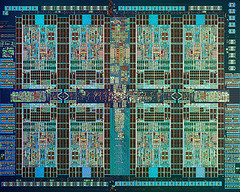
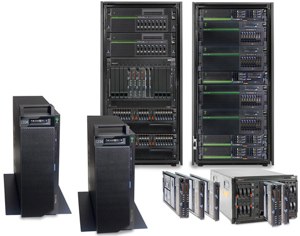 Priced starting at $5,947, the new machines include entry-level and midrange Power Systems and sport the company’s Power7+ processor, which was previously available only on select enterprise IBM Power Systems. The computers are optimized for IBM’s analytics software and use underlying technologies from the Watson system, including Power processors and big data analytics.
“Big data and cloud systems that were once only affordable to large enterprises are now available to the masses,” said Rod Adkins, senior vice president of the IBM Systems & Technology Group, in a statement. “With these new systems, IBM is forging an aggressive expansion of its Power and Storage Systems business into SMB and growth markets.”
The new Power Systems don’t require specialized skills, yet they offer the latest advances in virtualization and automation to speed private and hybrid cloud creation, IBM said. Moreover, because embedded memory and virtualization are built in, Power processors can provide a better platform for big data and cloud than commodity x86 hardware, it added.
Included in the new rollout were two PowerLinux Linux-only servers newly enhanced with Power7+ processors.
IBM originally rolled out the 7R1 and 7R2 last April, but now they’re optimized for IBM InfoSphere BigInsights and InfoSphere Streams big data analytics software. There’s also an optional IBM solution for WebSphere mobile and Web applications available to speed up application development for the iPhone, Android and BlackBerry.
The addition of the new Power7+ processor has resulted in dramatic performance improvements in this latest generation of PowerLinux systems, Marci Zampi, IBM Director of PowerLinux Solutions, told Linux.com in a briefing earlier this week. In fact, compared with models featuring the older Power7 processor, the newly enhanced PowerLinux 7R2 has shown benchmark improvements of as much as 56 percent, she said.
 “We’ll be announcing new solutions and new apps that run on top of PowerLinux,” Zampi said. “You’ll see more and more of that.”
Along with its two PowerLinux entries, IBM also debuted four entry-level systems in thePower Express 710, 720, 730 and 740 family of products as well as the 750 and 760 targeting midsized and large enterprises.
“From a practical standpoint, the new PowerLinux systems serve as what you might call the most recent evidence of IBM’s longstanding commitment to supporting Linux and open source,” Charles King, principal analyst with Pund-IT, told Linux.com.
“The company was the first major vendor to support Linux in ’98 or ’99, and it’s consistently supported different Linux distros across all its hardware platforms,” he added.
Now, with these new PowerLinux systems, “organizations that are staunch Linux advocates will have access to systems running IBM’s latest and greatest RISC-based hardware,” King noted. “They shouldn’t miss a step with the apps they want to run.”
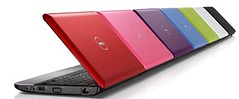 This week, there is much buzz surrounding Dell Computer going private in an expensive deal for which Microsoft has contributed $2 billion. Microsoft and Dell, of course, have been close partners since the birth of the personal computer industry, and much of the rise of the Windows operating system came from early hardware partners such as Dell bundling Windows on computers.
Today we have a new personal computing landscape, though, and some are asking if Dell’s move to go private was driven by fear of Linux. Was that Microsoft’s prompt for dropping $2 billion when the company rarely drops that kind of money?
“Microsoft’s $2 billion loan to Dell is a sign that the software maker wants to influence hardware designs in a post-PC world while protecting itself from the growing influence of Linux-based operating systems in mobile devices and servers, according to analysts.”
LinuxCon North  America and CloudOpen won’t happen until September but the party has already started in New Orleans where the Mardi Gras celebration is in full swing this week and the recent Super Bowl was so hot it literally turned the power out.
With all this action, we thought Tux better go scout out the best landmarks, food, drinks and fun in good ol’ NOLA. And, we’ve just received his video trip report for all to see (including a guilty, powdered-sugar grin).
Share Tux’s travel log (the video below) on Twitter/Identi.ca, Facebook or Google+ using the #linuxcon and #cloudopen hashtags and you could win a free ticket to this year’s events, taking place at the Hyatt New Orleans September 16-18, 2013.
You’ll be entered into a random drawing that will take place on Fat Tuesday, February 12. What better day to celebrate your Big Trip to the Big Easy?